

Home » Therapy Guides » Understand Avoidant Attachment
Understand Avoidant Attachment
Avoidant attachment is a protective pattern, not a flaw. Learn the signs, causes, and how therapy approaches can help you build healthier relationships.
What is Avoidant Attachment Style?
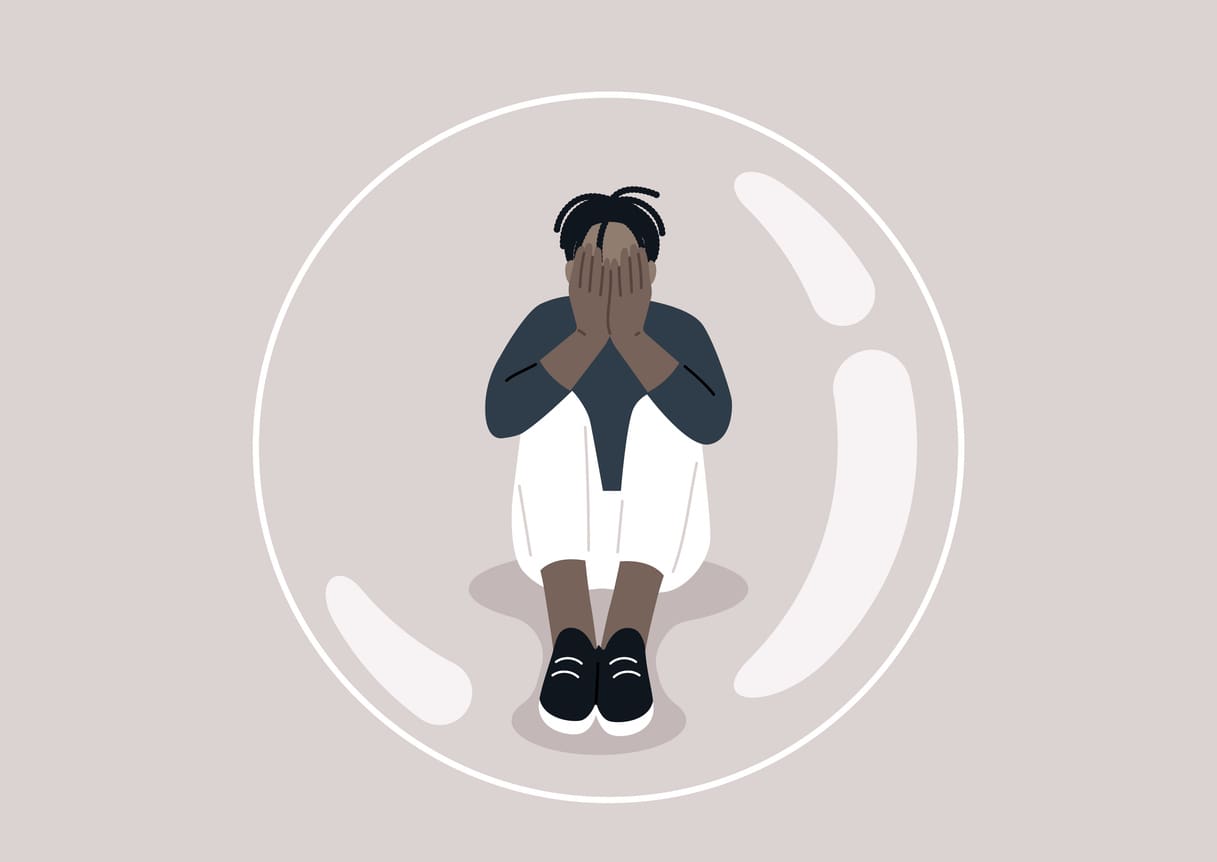
Avoidant attachment style is an insecure attachment pattern where a person feels uncomfortable with emotional closeness and relies heavily on independence, self-sufficiency, and emotional distance to feel safe. In attachment theory, it is one of the four main attachment styles (alongside secure, anxious, and fearful avoidant attachment), and it often shows up as emotional guardedness in adulthood, especially in romantic relationships.
Importantly, dismissive avoidant attachment doesn’t mean someone is cold, heartless, or incapable of love. Instead, it reflects a protective strategy that often develops when someone learns early on that expressing needs, showing vulnerability, or depending on others leads to rejection, disappointment, or emotional discomfort.
In practice, avoidant attachment in relationships can look like pulling away when things get serious, feeling overwhelmed by a partner’s emotional needs, or shutting down during conflict. Many people with this pattern appear confident and emotionally unaffected on the outside, but internally they may suppress their feelings to avoid the fear of being controlled, trapped, or hurt.
This creates one of the most confusing avoidant attachment patterns: they may genuinely want connection, but their nervous system interprets intimacy as unsafe, leading to emotional unavailability and distance that can strain even healthy relationships.
Types of Avoidant Attachment
Avoidant attachment typically shows up in two main forms: dismissive avoidant attachment and fearful avoidant attachment (sometimes called anxious-avoidant). While both involve discomfort with emotional closeness, they are driven by different fears and relationship beliefs.
Dismissive-avoidant attachment is the more common type. People with this pattern prioritize independence, minimize the importance of close relationships, and often suppress emotional needs rather than express them. They may appear confident and self-sufficient, but they avoid vulnerability because relying on others feels unsafe or overwhelming, which can lead to emotional unavailability and withdrawal.
Fearful-avoidant attachment involves a stronger internal conflict. People with this pattern crave intimacy but fear it at the same time, often due to trauma or inconsistent caregiving. This creates a push-pull dynamic where they seek closeness, then abruptly distance themselves when the relationship feels too emotionally intense.
Key Signs and Symptoms of Avoidant Attachment
Avoidant attachment symptoms often show up through emotional distance, discomfort with closeness, and a strong preference for independence. Many people do not recognize these behaviors as an insecure attachment pattern until they notice the same relationship issues repeating over time.
Discomfort with emotional intimacy and vulnerability:
The most defining sign of avoidant attachment is feeling uneasy when emotional conversations get too personal or intense. Someone may change the subject, make jokes to deflect, or physically leave the room when emotions rise. They often avoid situations where they have to depend on others or openly express fear, sadness, or need.
Strong need for independence and self-reliance:
People with dismissive avoidant attachment often take pride in being “low maintenance” and not needing support. They may feel suffocated when a relationship requires consistent time, emotional connection, or shared decision-making. This can lead them to prioritize work, hobbies, or alone time over bonding, even when they care about their partner.
Emotional unavailability and difficulty expressing feelings:
Avoidant attachment in relationships often looks like emotional flatness or distance, even when the person is stressed or upset internally. They may struggle to identify what they feel, and they often respond with “I’m fine” instead of sharing what is actually going on. Partners may describe feeling shut out or like they cannot reach them emotionally.
Withdrawal during conflict or when things get serious:
When conflict happens, avoidantly attached individuals tend to shut down instead of engaging. Rather than arguing openly, they may go silent, avoid texts, or act like nothing happened. This withdrawal often increases when the relationship becomes more committed, emotionally close, or long-term.
Viewing partners as too needy or too demanding:
Because their tolerance for emotional closeness is low, even normal relationship needs can feel overwhelming. Requests for reassurance, frequent communication, or quality time may register as pressure rather than connection. This often leads them to label partners as “clingy,” “too emotional,” or “too much,” even when the needs are reasonable.
Short-term or casual relationship patterns:
Many people with avoidant attachment patterns feel more comfortable in casual relationships where emotional investment stays limited. They may lose interest once someone wants commitment, exclusivity, or deeper intimacy. When serious conversations arise, they often feel an urge to escape, end the relationship, or create distance.
Minimizing the importance of relationships:
Avoidant individuals often protect themselves by acting like relationships are not that important. They may say things like “I don’t need anyone” or “love is overrated” to justify emotional distance. This minimization often hides a deeper fear of being hurt, rejected, or emotionally dependent.
Suppressing emotions and keeping feelings private:
Avoidant attachment causes many people to disconnect from emotions instead of processing them in real time. They may appear calm and unaffected, even when their body is experiencing stress underneath the surface. Over time, this emotional suppression can lead to numbness, burnout, or sudden emotional shutdowns in close relationships.
Difficulty trusting others and reluctance to ask for help:
Even when they need support, avoidantly attached individuals often refuse to rely on others. Asking for help can feel like weakness or a loss of control, so they would rather struggle alone. This low trust reinforces emotional unavailability and makes intimacy feel risky rather than safe.
Root Causes: How Avoidant Attachment Develops
Avoidant attachment develops when someone learns early in life that emotional closeness is unsafe, unreliable, or unwanted. Instead of being a character flaw, it is usually a protective survival strategy shaped by childhood experiences.
Emotionally unavailable, dismissive, or rejecting caregivers:
One of the most common avoidant attachment causes is having caregivers who were emotionally distant, dismissive, or uncomfortable with feelings. When a child sought comfort, they may have been ignored or told to stop being sensitive, which taught them their needs would not be met.
Self-reliance as a survival strategy:
Avoidant attachment patterns often form because the child learns that depending on others leads to disappointment or rejection. Over time, they adapt by suppressing emotional needs and becoming highly self-reliant, even when connection is still deeply desired.
Emotional neglect and conditional approval:
Some children receive attention only when they are independent, successful, or “easy to manage,” which makes love feel conditional. This often creates chronic self-pressure and anxiety, because the child learns they must perform or stay “low maintenance” to be accepted.
Overly controlling or smothering parenting:
Avoidant attachment can also develop when caregivers are intrusive, controlling, or do not respect boundaries. In these environments, emotional distance becomes a way to protect autonomy and avoid feeling overwhelmed or engulfed.
Exposure to unhealthy relationship dynamics:
Growing up around volatile, unstable, or codependent relationships can teach a child that intimacy leads to conflict and emotional chaos. As a result, they may associate closeness with danger and develop avoidance as protection.
Trauma, abuse, or unsafe environments:
Trauma or abuse can contribute to avoidant attachment, especially fearful avoidant attachment, because the child learns that closeness can lead to harm. These experiences can also increase long-term risk of emotional numbness, shutdown, and depression later in life.
A nervous system trained to treat intimacy as a threat:
Early experiences can condition the nervous system to shut down emotional needs because vulnerability does not feel safe. In adulthood, closeness may still trigger automatic stress responses, leading to withdrawal even in healthy relationships.
How to Treat and Manage Avoidant Attachment
You can start healing avoidant attachment patterns by practicing small, structured changes that build emotional tolerance over time. These strategies can help you feel safer with closeness and vulnerability.
Practice small acts of vulnerability in safe situations:
Start with low-risk vulnerability instead of forcing deep emotional exposure all at once. Share a simple feeling with a trusted friend, ask for help with something minor, or express a preference instead of staying neutral. These small actions teach your nervous system that closeness does not automatically lead to rejection or loss of control.
Build emotional awareness by naming what you feel:
Many people with avoidant attachment suppress emotions so early and so consistently that they stop recognizing what they feel in real time. Practice checking in with yourself daily by asking, “What am I feeling right now?” and “Where do I feel it in my body?” Journaling or labeling emotions out loud helps you build the foundation for sharing them in relationships.
Create structure around intimacy and connection:
Spontaneous closeness can feel overwhelming for avoidant attachment in relationships, so structure can make intimacy feel safer. Schedule predictable connection points like a weekly date night, a daily 10-minute check-in, or planned quality time. This reduces the sense of constant emotional demand while still strengthening emotional closeness over time.
Challenge beliefs about independence and relationships:
Avoidant attachment symptoms often stem from rigid beliefs like “I don’t need anyone” or “relationships take away freedom.” Start reality-testing these thoughts by asking whether total independence has actually made you feel fulfilled long-term. Reframing toward healthy interdependence can reduce the fear that closeness automatically means losing yourself.
Practice staying present instead of withdrawing:
Avoidant attachment patterns often trigger an automatic shutdown response when emotions rise. Instead of leaving the room, going silent, or shutting down, practice pausing and staying present for a few extra moments. Deep breathing, grounding, or saying “I feel overwhelmed but I’m staying here” helps retrain the nervous system to tolerate discomfort without escaping.
Track your avoidance triggers for accountability:
Avoidant behaviors often happen automatically, which makes them hard to change without awareness. Keep a simple log of when you withdrew, what triggered it, and what you were feeling underneath the reaction. This helps you identify patterns and gives you concrete insight you can bring into therapy.
Expand your tolerance window for closeness gradually:
Healing does not mean forcing yourself into constant emotional intensity. Instead, gradually widen your comfort zone by practicing short periods of connection, then increasing them over time as your nervous system adapts. This prevents the cycle of total avoidance followed by emotional overwhelm.
Use simple scripts to communicate needs and emotions:
Many avoidant individuals struggle with communication because vulnerability feels unsafe in the moment. Use structured language such as “I’m feeling overwhelmed and it makes me want to shut down, but I want to stay connected,” or “I need space today, but I care about you and this isn’t rejection.” Having prepared scripts reduces anxiety and makes emotional honesty feel more manageable.
Know when professional therapy becomes essential:
Self-help strategies can reduce avoidant attachment symptoms, but deep change often requires professional support. Avoidant attachment causes frequently involve childhood emotional neglect, trauma, or deeply ingrained beliefs that need guided healing. Working with a therapist trained in attachment-focused therapy or cognitive behavioural therapy can help you build lasting emotional security and healthier relationship patterns.
The Impact of Avoidant Attachment on Mental Health
Avoidant attachment does not only affect relationships. Over time, avoidant attachment patterns can shape mental health, emotional wellbeing, and even physical functioning, especially because the coping strategy relies on suppressing needs instead of processing them.
Higher risk of depression and emotional emptiness:
Avoidant attachment is strongly linked to depression, particularly feelings of emotional numbness, emptiness, or low-level disconnection. Because avoidantly attached people often suppress emotions to avoid vulnerability, they may also suppress joy, excitement, and closeness. This can create a persistent feeling that something is missing, even when life looks stable on the outside.
Chronic loneliness and social isolation:
Avoidant attachment symptoms often lead to emotional distancing, which increases long-term loneliness. The same emotional walls that protect someone from rejection also prevent them from experiencing deep connection. Many people feel isolated even in friendships or relationships, but they may struggle to admit it because it requires acknowledging emotional need.
Difficulty recognizing and processing emotions (Alexithymia):
Many people with avoidant attachment struggle to identify what they feel or explain why they feel it. Instead of experiencing emotions clearly, they may feel blank, irritated, restless, or disconnected without knowing the cause. This emotional unawareness makes it harder to communicate needs, resolve stress, or feel fully engaged in daily life.
Self-Worth tied to independence and emotional control:
Dismissive avoidant attachment often comes with a strong identity built around being independent, capable, and unaffected. Underneath that confidence, self-worth may depend on always being “the strong one,” which creates pressure and emotional rigidity. Fearful avoidant attachment tends to involve lower self-worth and deeper shame, especially around needing reassurance or closeness.
Relationship dissatisfaction and repeated instability:
voidant attachment in relationships often leads to patterns of emotional distance, shallow intimacy, or frequent breakups. Partners may eventually leave feeling unwanted or exhausted from trying to connect with someone who keeps shutting down. Over time, this reinforces the avoidant person’s belief that relationships are unsafe, draining, or not worth the effort.
Nervous system stress and physical health effects:
Even when avoidant individuals appear calm, emotional suppression can keep the body in a chronic stress state. This can contribute to sleep disruption, elevated cortisol, fatigue, and long-term stress-related health issues. The body may carry distress even when the mind insists everything is fine.
Unprocessed trauma and unmet emotional needs:
Avoidant attachment often protects someone from deeper wounds, including emotional neglect, abandonment, or unresolved trauma. Without support, these unmet needs continue shaping behavior and limiting emotional fulfillment. This is why avoidant attachment therapy can be so important, because it addresses the root drivers rather than just surface-level relationship habits.
How Avoidant Attachment Shows Up in Relationships
Avoidant attachment in relationships often creates a confusing push away effect, where the avoidant partner cares but struggles to stay emotionally present as intimacy grows. These patterns can feel subtle at first, but over time they shape communication, conflict, and long-term relationship stability.
The pursuer-withdrawer relationship dynamic:
One of the most common avoidant attachment patterns is the pursuer-withdrawer cycle, especially when one partner has anxiety-driven attachment needs. The more one partner asks for reassurance, closeness, or emotional connection, the more the avoidant partner feels overwhelmed and pulls away. This creates a loop where both people feel rejected, misunderstood, and emotionally unsafe.
Emotional distance that leaves partners feeling confused:
Many avoidantly attached people feel comfortable in the early dating stage because emotional expectations are low. As the relationship deepens, they may become more distant, less affectionate, or harder to reach emotionally. Partners often feel blindsided and start wondering what they did wrong, when in reality the growing intimacy triggered the avoidant partner’s defenses.
Deactivating strategies that create distance:
When closeness starts to feel threatening, avoidant individuals often unconsciously use “deactivating strategies” to regain emotional space. This may include focusing on their partner’s flaws, fantasizing about an ex, flirting with others, picking fights, or suddenly throwing themselves into work. These behaviors usually are not intentional manipulation, but automatic ways to reduce emotional pressure and restore a sense of control.
Difficulty with commitment and future planning:
Commitment conversations often trigger avoidant attachment symptoms, even in otherwise stable relationships. Topics like moving in together, marriage, or long-term plans can create panic or emotional shutdown because commitment feels like losing freedom. Instead of engaging, the avoidant partner may become evasive, change the subject, or suddenly question whether the relationship is right.
Limited communication about feelings and needs:
Avoidant partners rarely initiate conversations about emotions, relationship needs, or deeper concerns. They may struggle to express affection verbally or clarify where they stand emotionally, even if they care deeply. Over time, their partner may feel like they are constantly guessing or working for emotional reassurance that never fully arrives.
Conflict avoidance through shutdown or stonewalling:
Avoidant attachment often leads to conflict avoidance, not healthy problem-solving. Instead of discussing issues directly, the avoidant partner may shut down, go silent, withdraw, or dismiss concerns as overreactions. This stonewalling can make the other partner feel unheard and can slowly erode trust and emotional security.
Appearing independent but feeling secretly lonely:
Avoidant individuals often appear emotionally strong and self-sufficient, but many still experience loneliness and emotional disconnection. Their need for distance protects them from vulnerability, but it also limits the depth of intimacy they can experience. Over time, this can create a relationship where both partners feel alone, even while staying together.
Common Triggers for Avoidant Attachment
Avoidant attachment triggers often activate the same internal alarm system: closeness starts to feel like pressure, and connection starts to feel like a threat to independence. Once these triggers show up, avoidant attachment patterns can kick in automatically, even when the relationship is healthy.
A partner asking for more emotional closeness:
When a partner wants deeper intimacy, more quality time, or more emotional openness, it can trigger avoidant attachment symptoms. What feels like normal connection to one person can feel suffocating or overwhelming to someone with dismissive avoidant attachment. This often leads to distancing, irritation, or sudden emotional shutdown.
Having to rely on someone or ask for help:
Situations that require dependence can feel deeply uncomfortable for avoidantly attached individuals. Needing emotional support, asking for help during illness, or admitting struggle can trigger anxiety because it feels like a loss of control. Many would rather handle everything alone than risk vulnerability or disappointment.
Commitment conversations and relationship milestones:
Major milestones like exclusivity, moving in, marriage, or having children often activate avoidant attachment defenses. These conversations can trigger panic because they represent deeper emotional entanglement and reduced freedom. Even if the person cares, they may suddenly feel the urge to withdraw or escape.
A partner expressing strong emotions or distress:
When a partner cries, expresses anger, or needs comfort, avoidant individuals often feel overwhelmed and unsure how to respond. They may minimize the emotion, try to fix the problem quickly, or shut down entirely. This is not always a lack of care, but a stress response to emotional intensity.
Feeling criticized, controlled, or monitored:
Avoidant attachment in relationships is often triggered by anything that feels like control, even if the partner’s intentions are reasonable. Questions like “Where were you?” or “Why didn’t you text back?” may feel like surveillance rather than care. This can lead to defensiveness, withdrawal, or emotional distancing.
Not getting enough alone time or personal space:
Avoidantly attached people often need significant space to regulate their nervous system. When they feel constantly surrounded, expected to engage, or emotionally “on,” they may become irritable and depleted. This lack of space often increases emotional unavailability and avoidance behaviors.
Stable intimacy and peaceful connection:
Even positive closeness can trigger avoidant attachment patterns. Moments like a quiet Sunday together, deep eye contact, or hearing “I love you” may create discomfort because the intimacy feels unfamiliar or unsafe. In response, the avoidant partner may pull away even when nothing is wrong.
How Therapy Helps with Avoidant Attachment
Avoidant attachment is highly treatable, especially with the right therapeutic approach and consistent effort over time. Therapy helps by addressing both the emotional roots of avoidance and the relationship behaviors that keep the pattern stuck.
Therapy helps rewire the nervous system for emotional safety:
Avoidant attachment develops when the nervous system learns that closeness is unsafe, so it responds to intimacy with shutdown or withdrawal. Therapy helps retrain this response so vulnerability feels less threatening and emotional connection feels more tolerable.
The therapist relationship creates corrective emotional experiences:
A consistent therapist-client relationship becomes a safe place to practice expressing emotions, needs, and boundaries without judgment. Over time, this corrective experience teaches the brain that connection can be stable, respectful, and emotionally safe.
Evidence-based therapy approaches can target avoidant attachment directly:
Avoidant attachment therapy often includes Acceptance and Commitment Therapy (ACT), Schema Therapy, and trauma-focused approaches that address both emotional avoidance and underlying wounds. Many therapists also use cognitive behavioural therapy to help challenge rigid beliefs about independence and vulnerability.
Therapy builds emotional awareness and helps you name feelings:
Many avoidantly attached individuals struggle to identify what they feel in real time, which makes emotional connection difficult. Therapy strengthens emotional awareness by helping clients recognize emotions, understand triggers, and develop language for what is happening internally.
Therapy teaches healthy vulnerability and interdependence
Therapy does not aim to make you emotionally dependent on others. Instead, it helps you practice small acts of vulnerability so you can build secure connection while still maintaining a strong sense of independence.
Therapy challenges core beliefs that drive avoidant patterns:
Avoidant attachment often comes from beliefs like “If I need someone, I’m weak” or “Relationships will take away my freedom.” Therapy helps replace these beliefs with healthier perspectives that allow closeness without feeling trapped or unsafe.
Therapy strengthens communication and conflict skills:
Avoidant attachment in relationships often leads to shutdown, withdrawal, or stonewalling during conflict. Therapy teaches practical skills for staying present, expressing needs clearly, and handling emotional conversations without shutting down.
Therapy creates long-term change, not just temporary coping:
Attachment styles are not fixed, and many people shift toward secure attachment with consistent therapeutic work. Progress often takes months or years, but it can dramatically improve relationship stability, emotional wellbeing, and overall life satisfaction.
Resistance to therapy Is normal and part of the process:
Many avoidant individuals feel uncomfortable with therapy at first because vulnerability can trigger fear and defensiveness. A skilled therapist moves at your pace and helps you build trust gradually, making change feel manageable instead of overwhelming.
Schedule a Free Consultation
If avoidant attachment is affecting your relationships or emotional wellbeing, working with a professional can help you build healthier patterns and feel safer with closeness. Schedule a call today to explore therapy options and take the first step toward secure attachment.
Frequently Asked Questions
No, avoidant attachment is a relational pattern, not a clinical disorder. However, it often co-occurs with depression, anxiety, and loneliness. A therapist can assess whether you meet criteria for any diagnosable conditions.
Yes, absolutely. With self-awareness, commitment to growth, and often therapy, avoidantly attached people can develop secure attachment patterns and maintain healthy, fulfilling long-term relationships. Change is possible with effort.
Dismissive-avoidants consistently maintain distance and minimize the importance of relationships. Fearful-avoidants want closeness but simultaneously fear it, creating inconsistent push-pull patterns. Both avoid intimacy but for different reasons.
Yes, but it often results in significant emotional distance. Both partners may be comfortable with limited intimacy initially, but over time, the lack of emotional depth can lead to loneliness and dissatisfaction for one or both partners.
There’s no fixed timeline to heal avoidant attachment. Some people notice shifts within several months of consistent therapy; others need a year or more. Change depends on trauma history, commitment to therapy, willingness to practice vulnerability, and therapeutic approach.
Yes, but it requires effort and often therapy (individual or couples). Without awareness, these pairs often create painful pursuer-withdrawer cycles. With commitment and professional support, they can develop healthier communication patterns and mutual understanding.
Yes. Avoidant patterns show up in friendships, family relationships, and even professional connections. Someone might struggle to form close friendships, avoid family gatherings, or have difficulty building trust with colleagues or asking for workplace support